Project features
Start:
End:
Nov 2021
May 2022
Location:
Client:
Uzbekistan
World Bank
Uzbekistan is aiming to double its energy efficiency (EE), reduce GDP’s carbon intensity and achieve 35 % reduction of GHG emissions per unit of GDP by 2030. Buildings sector represents one of the biggest untapped reserves to scale up EE and reduce energy consumption. Currently, Uzbekistan’s total buildings stock (residential, commercial and public buildings) consumes around 50 % of the total final energy consumption. On average, buildings in Uzbekistan consume three-four times more energy for heating than in European countries.
To address this challenge, the GoU with the support of the WB initiated the development of a National Program for Building Energy Efficiency Improvement (the Program). The Program will focus on the analysis of existing buildings stock, investment needs, EE potential, and establishing the necessary regulatory framework.
Services provided
Task 1. Building stock technical and economical assessment.
- Assessment of the existing building stock: a) total number of residential, commercial and public buildings and their area; b) total heated area and energy use by each group of buildings and their energy consumption, type of fuel; c) share of buildings that have been renovated; d) EE potential and cost savings across various buildings type etc.;
- Conduct technical and economic assessment of total building stock in Uzbekistan;
- Review national buildings codes and definitions for each building type;
- Review existing national programs/plans aimed at reduction of CO2 emissions and the existing policy framework on enhancing EE in buildings stock.
Task 2. Policy appraisal
- Analysis of existing regulatory and institutional framework, focusing on achieving EE across building stock;
- Review of state agencies' responsibilities and duties in EE policy and activities;
- Analysis of the current and planned institutional set-ups to support EE policy formulation, planning, implementation, monitoring and evaluation to determine the constraints to scaling-up EE;
- Assess the availability of medium- and long-term financing within the building market, to determine the barriers to tapping these resources from public, commercial and private sources.
Task 3. Stakeholder consultation
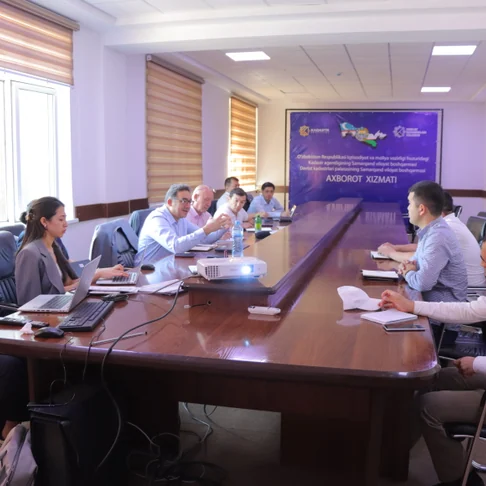
- Conduct periodic virtual and in-person consultations with key stakeholders (Ministry of Energy, EE Fund, Ministry of Construction, Ministry of Economic Development and Poverty Reduction, Ministry of Finance, Ministry of Housing and Communal Services, and international organizations in Uzbekistan).