Project features
Start:
End:
Feb 2026
May 2026
Location:
Client:
Uzbekistan
UNICEF Uzbekistan
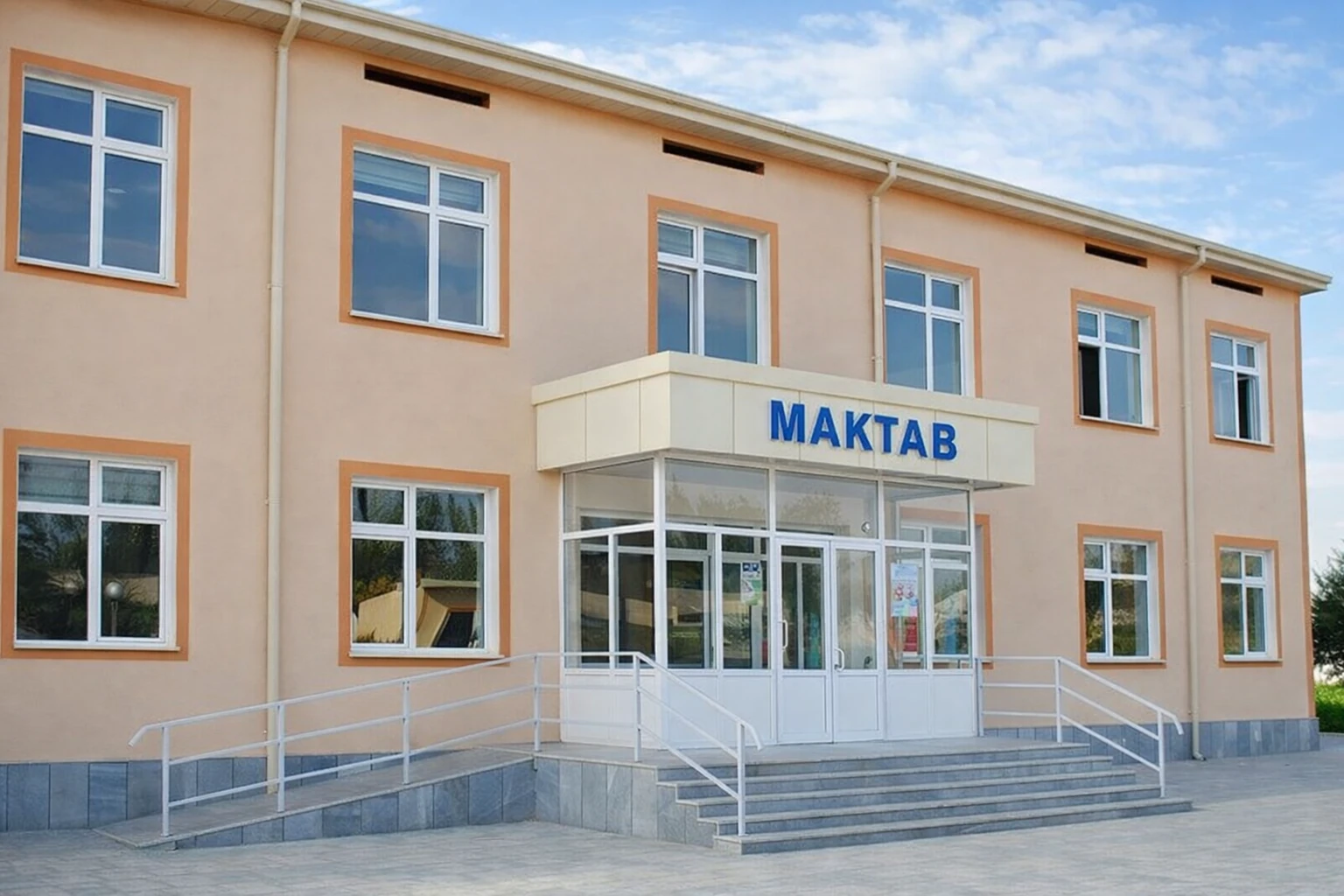
Many public schools in Uzbekistan were built decades ago and currently face issues related to poor insulation, outdated heating and lighting systems, high energy consumption, and aging infrastructure. In addition, increasing climate-related challenges such as extreme temperatures and unstable energy supply create additional pressure on school facilities and learning conditions. To address these issues, UNICEF together with the Ministry of Preschool and School Education initiated this assignment for selected pilot schools in Uzbekistan. The main purpose was to assess the current condition of the buildings, identify energy efficiency improvement opportunities, review basic structural and safety conditions, and evaluate the feasibility of solar PV systems. The assignment aimed to support future investments for safer, more energy-efficient, and climate-resilient schools.
Services provided
Juru supported the implementation of technical assessments for five pilot schools in Uzbekistan aimed at improving energy efficiency, school safety, and climate resilience. The assignment included energy audits, structural safety screening, and solar PV feasibility assessments, together with preparation of technical recommendations and investment guidance for future school modernization activities. Key activities performed by Juru included:
- Reviewing available design documents, utility bills, and operational information for selected schools;
- Conducting ASHRAE Level 2 equivalent energy audits for five schools;
- Assessing heating, ventilation, lighting, and other major energy-consuming systems;
- Inspecting building envelope conditions, including walls, roofs, windows, and floors using thermal imaging and field measurements;
- Identifying energy efficiency improvement measures and estimating investment costs, energy savings, payback period, and related benefits;
- Carrying out visual and non-destructive structural and school safety assessments;
- Identifying visible structural defects, moisture intrusion, and potential safety risks related to natural hazards;
- Providing recommendations on urgent safety measures and additional structural investigations where needed;
- Assessing the feasibility of solar PV systems, including roof suitability, shading, electrical infrastructure, and preliminary system sizing;
- Preparing conceptual solar PV layouts, single-line diagrams, and indicative equipment specifications;
- Conducting preliminary financial and GHG reduction analysis for proposed solar PV systems;
- Supporting preparation of consolidated findings, technical reports, presentations, and investment recommendations for UNICEF and MoPSE