Project features
Start:
End:
Apr 2026
Jun 2026
Location:
Client:
Uzbekistan
ADB
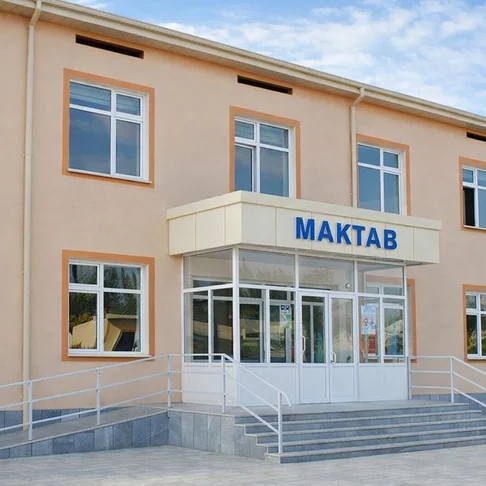
The Asian Development Bank (ADB) is supporting the newly created National Energy Efficiency Agency (NEEA) of Uzbekistan to mainstream energy efficient renovations in public buildings in the country. The Results-Based Lending (RBL) Public Buildings Energy Efficiency Renovation (PEER) aims at renovating public schools, kindergartens, and hospitals across the country, in order to help reduce its energy consumption while electrifying heating services fed by solar rooftop systems to minimize grid consumption.
To support the preparation of the RBL PEER program, ADB will engage a national consulting firm to help prepare a comprehensive national concept paper (NCP) and associated documents according to PD-51 for government internal procedures, including preliminary design, energy audits, technical due diligence, and relevant documentation
Services provided
Juru supported the preparation of the public buildings energy efficiency renovation program in Uzbekistan in close coordination with NAEE, ministries, regional authorities, and other stakeholders. The assignment covered technical, economic, financial, institutional, and implementation aspects required for further project development and approval. Key activities performed by Juru included:
- Supporting the selection and assessment of public buildings in priority regions;
- Conducting baseline energy consumption assessment and walkthrough energy audits of reference buildings;
- Identifying energy efficiency measures and estimating potential energy savings and GHG emission reductions;
- Carrying out preliminary seismic resilience assessment of selected buildings;
- Supporting preparation and approval of the national Concept Paper in line with Resolution No. PR-51;
- Coordinating with ministries, government agencies, and other stakeholders during review and approval stages;
- Conducting techno-economic and financial analysis of the renovation program, including least-cost analysis and sensitivity assessment;
- Assessing indicative renovation costs, financing assumptions, and socio-economic impacts;
- Supporting development of preliminary technical solutions for energy efficiency upgrades and renewable energy integration;
- Assessing institutional arrangements, implementation mechanisms, and project risks;
- Providing inputs on environmental, health, safety, and safeguard considerations;
- Supporting preparation of implementation-stage documents, including draft implementation plans, operational manuals, technical specifications, monitoring formats, and sample procurement documents.