Project features
Start:
End:
Jul 2021
Nov 2022
Location:
Client:
Uzbekistan
EBRD
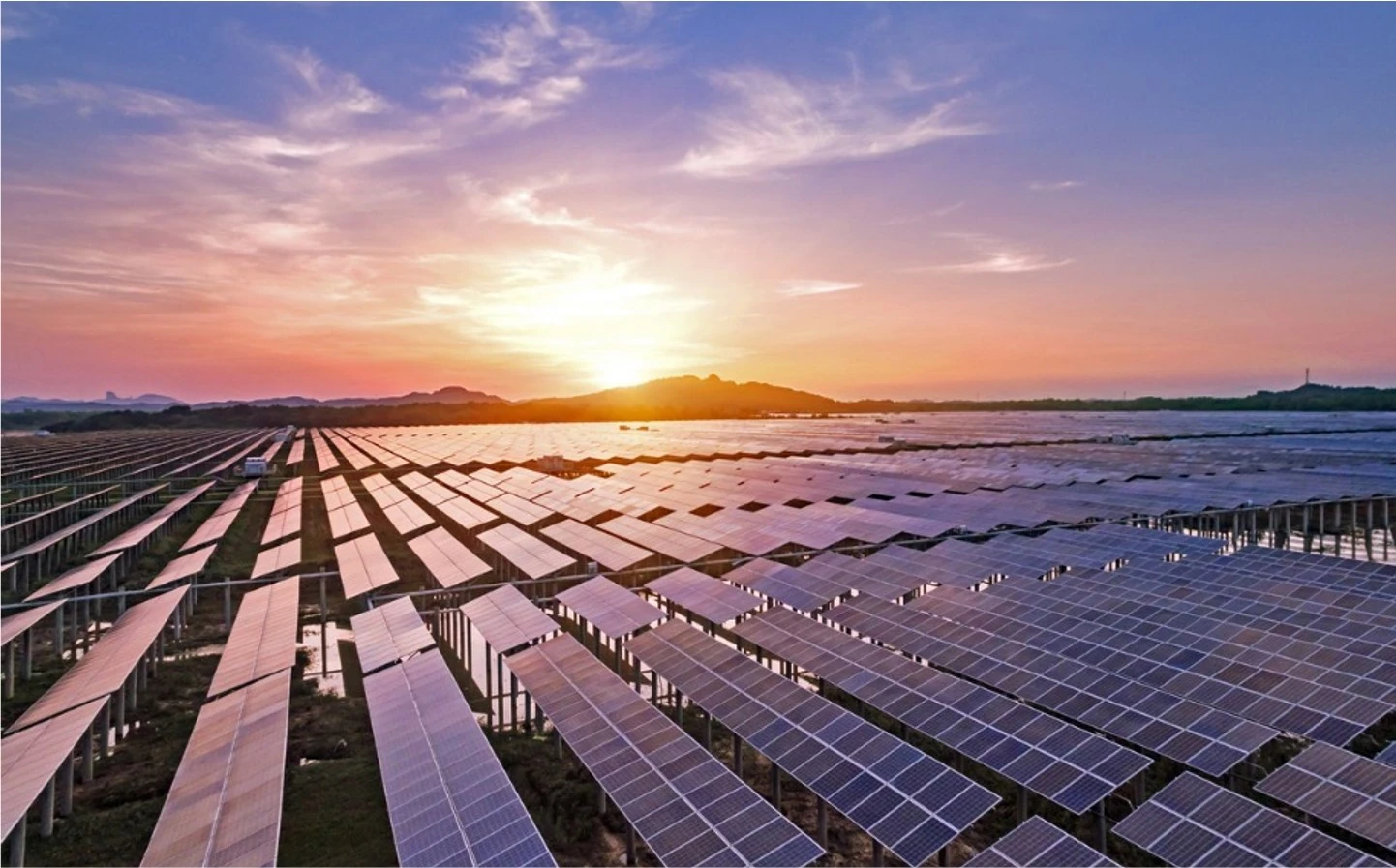
Over the last couple of years, through its involvement in a number of the power projects in Uzbekistan EBRD identified a number of issues associated with the development of solar project that need to be addressed in a systemic manner. These include land disturbance/land use impacts; potential impacts to specially designated areas; impacts to soil, water and air resources; impacts to vegetation, wildlife, habitat and sensitive species; visual, cultural, socioeconomic impacts, supply chain and community impacts and potential impacts from hazardous materials, labour, health and safety during construction and operation. EBRD hired Juru to develop Best Practice Guidelines on Management of E&S Impacts in Solar Energy Sector that would be used by the government, existing and potential clients and other stakeholders in solar energy sector in Uzbekistan. As part of the assignment, Juru will also conduct capacity building webinar for local governmental authorities.
Services provided
Task 1: Review of EBRD requirements, Uzbekistan regulatory framework and solar projects pipeline
- Undertaking desk study of best practice policy, EU and EBRD PR requirements and relevant local legislation;
- Reviewing best practices and local projects applicable for small, medium and large-scale solar power plants,
- Assessment of solar projects in Uzbekistan and summarise lessons learned solar-specific impacts and impacts specific to Uzbekistan, and the CAR region.
Task 2: Develop Best Practice Guidelines on Management of Environmental and Social Impacts
- General policy context and outlining best practices and E&S performance requirements (GIP);
- Overview of E&S solar risks in the Solar Sector and developing a “Solar screening checklist”;
- Preparation of technical annexes related to the applicable BP in relation to the construction, operation and decommissioning stages;
- Preparation of TOR for a Critical and Natural Habitat assessment and pre-construction bird impact screening of candidate solar project sites and associated OHTL routes;
- Methodological guidance for pre- construction and operation phases bird baseline field surveys bird impact monitoring programs on OHTL segments identified as potentially high risk as well as biodiversity/vegetation management programs within PV solar panel arrays;
- Guide to “top 10” sensitive species for solar project siting in Uzbekistan.
Task 3: Develop Sector Specific Best Practice Guidelines, i.e. for EBRD Countries of Operation
Task 4: Conducting a capacity building webinar for local stakeholders and decision-making authorities